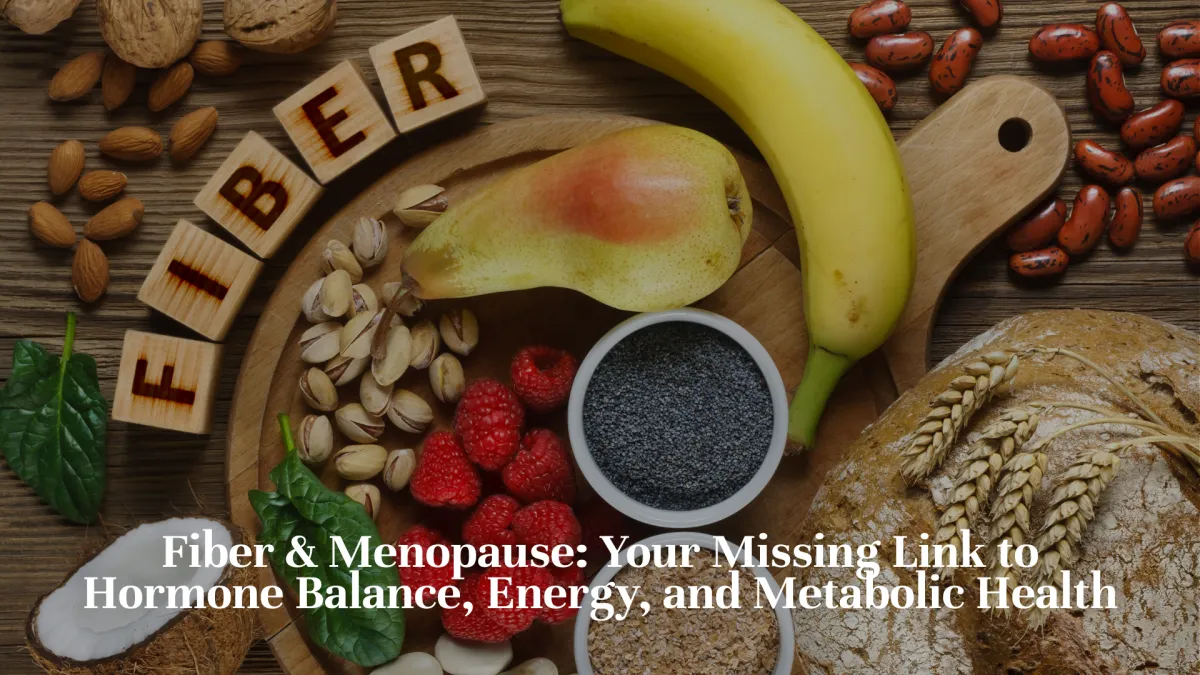
Fiber & Menopause: Your Missing Link to Hormone Balance, Energy, and Metabolic Health
Why Fiber Matters More Than Ever After 40
As women enter perimenopause and menopause, declining estrogen levels affect metabolism, gut health, and inflammation. Fiber is one of the most powerful — and overlooked — tools to support your body during this transition.
Adequate fiber intake can help:
• Reduce menopausal belly fat
• Improve gut health and estrogen balance
• Decrease hot flashes and inflammation
• Support weight management
• Improve cholesterol and heart health
• Stabilize blood sugar and reduce cravings
• Improve energy and mental clarity
Recommended Daily Fiber Intake for Women 40+:
25–35 grams per day
Most women currently get less than half of this amount.
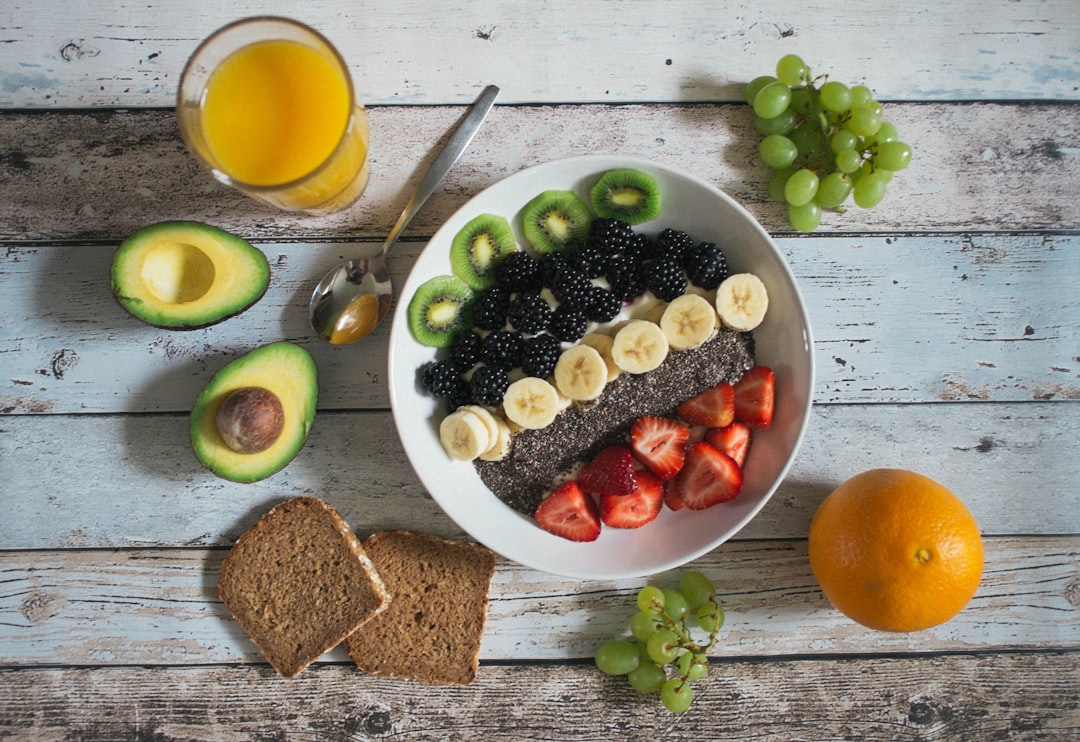
What Exactly Is Fiber?
Fiber is a type of carbohydrate found in plant foods that your body cannot fully digest. Instead, it nourishes your gut bacteria, regulates metabolism, and supports hormone balance.
There are two important types:
Soluble Fiber
Helps lower cholesterol, balance blood sugar, and support hormones.
Insoluble Fiber
Supports digestion, detoxification, and gut health.
Your body needs both.
High-Fiber Foods That Support Menopause Health
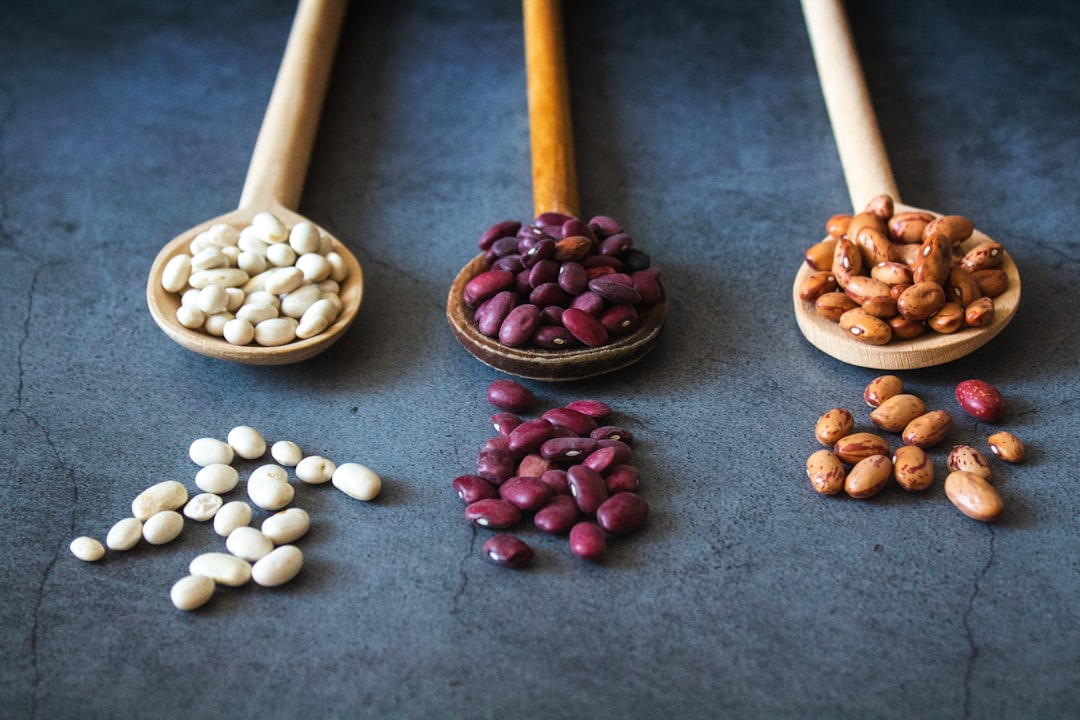
Beans and Legumes (Fiber Powerhouses)
These are some of the most powerful hormone-supporting foods you can eat.
Black beans — 15 grams per cup
Kidney beans — 13 grams per cup
Pinto beans — 15 grams per cup
Lentils — 15 grams per cup
Chickpeas — 12 grams per cup
These are featured in your Thrive Fit Three-Bean Chili.

Vegetables
Broccoli — 5 grams per cup
Brussels sprouts — 4 grams per cup
Carrots — 4 grams per cup
Bell peppers — 3 grams per cup
Spinach — 4 grams per cup
Sweet potato — 4 grams per medium potato
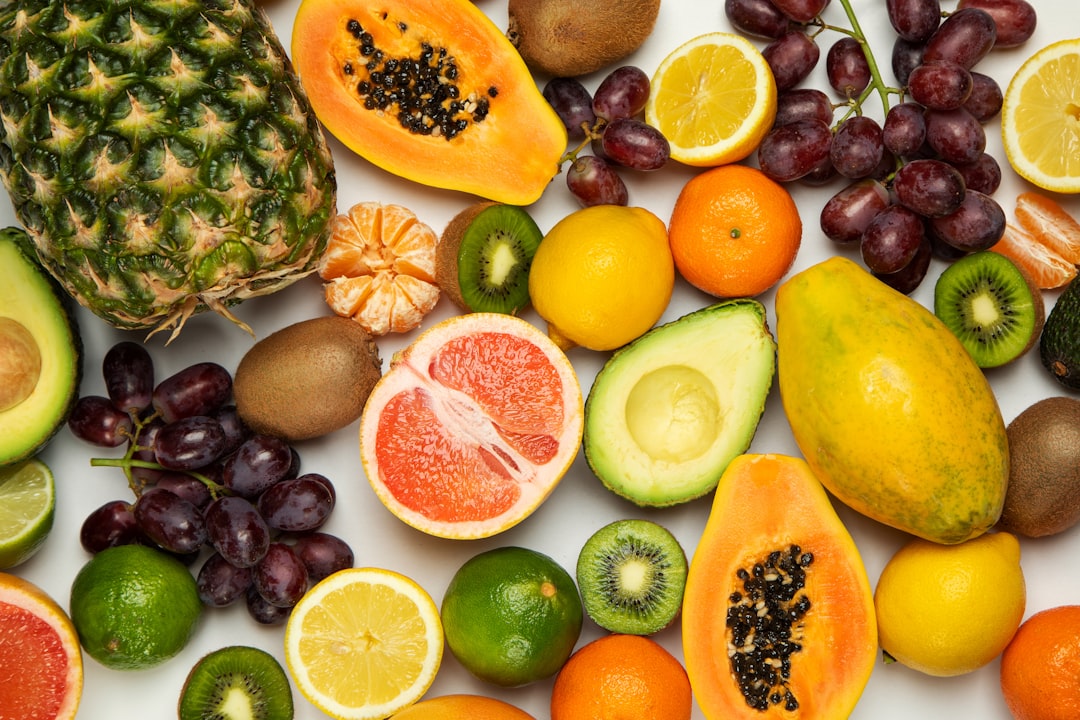
Fruits
Raspberries — 8 grams per cup
Blackberries — 8 grams per cup
Pear — 6 grams per fruit
Apple — 4 grams per fruit
Avocado — 10 grams per avocado
Avocados are especially beneficial for hormone health.

Whole Grains
Quinoa — 5 grams per cup
Oats — 4 grams per cup
Brown rice — 3.5 grams per cup
Barley — 6 grams per cup

Nuts and Seeds
Chia seeds — 10 grams per 2 tablespoons
Flaxseeds — 5 grams per tablespoon
Almonds — 4 grams per ounce
Pumpkin seeds — 5 grams per ounce
Chia and flax also support hormone balance.
How Fiber Supports Hormone Balance
Fiber helps your body:
• Remove excess estrogen
• Feed healthy gut bacteria
• Reduce inflammation
• Improve insulin sensitivity
• Support fat metabolism
This directly impacts:
• Belly fat
• Energy
• Mood
• Sleep
• Hot flashes
Simple Ways to Increase Fiber Daily
Add beans to soups, salads, and chili
Add chia or flax to smoothies or yogurt
Eat vegetables with every meal
Choose whole foods instead of processed foods
Include plant-based meals regularly
Increase fiber gradually and drink plenty of water.
THRIVE Fit™ Takeaway
Food is not just fuel.
Food is information.
Food is medicine.
When you nourish your body intentionally, you don’t just survive menopause.
You THRIVE.
